
Cart
0
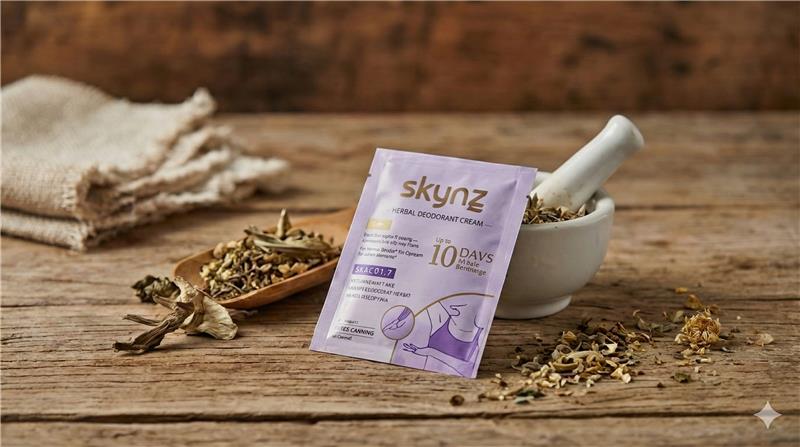
Foot odour is one of those problems people manage silently. You know the ritual: change socks twice a day, avoid taking off shoes in public, panic slightly when visiting someone's house with a "shoes off" policy. What almost nobody tells you is that the cause isn't what you think — and most of the products sold to solve it are attacking the wrong target.
This guide covers the actual science of foot odour, why conventional sprays and powders keep disappointing, and what a genuinely different approach looks like.

Why Feet Smell — And It's Not Just "Bad Hygiene"
Foot odour has a specific biological cause that most people don't know about.
Your feet contain an extremely high concentration of sweat glands — roughly 250,000 per foot. The majority are eccrine glands (which produce clear, odourless sweat primarily for temperature regulation), but the soles and between the toes also have apocrine glands that secrete proteins and fats.
Here's where it gets specific: inside closed footwear, you create the ideal environment for bacteria — warmth, moisture, and darkness. Bacteria metabolise the sweat secretions and produce volatile organic compounds (VOCs), most notably isovaleric acid, which has the distinctive sharp, cheesy smell associated with feet.
The footwear itself plays a role too. Synthetic materials trap moisture and accelerate bacterial growth. Natural fibres like wool and cotton breathe better, but they don't eliminate the underlying secretion that bacteria feed on.
Crucially: washing your feet thoroughly removes surface bacteria but doesn't change what the sweat glands secrete. Within hours of putting your shoes back on, bacterial populations are rebuilding and the process starts again.

Why Conventional Foot Deodorants Don't Last
Walk into any pharmacy and the foot care shelf is dominated by:
Sprays and powders: These sit on the skin surface and reduce moisture. They're effective for a few hours. Once you've been wearing shoes for half a day, the moisture has overwhelmed the product. By the time you take your shoes off in the evening, you're back to square one.
Anti-fungal products: These target a different problem — fungal infections like athlete's foot. They don't address bacterial odour production and aren't the right tool unless you have an actual fungal infection.
Odour-absorbing insoles: These absorb odour after it's already been produced. Better than nothing, but a passive solution to an active problem.
Medicated foot soaks: Intermittently effective, require consistent routine maintenance, and don't survive a full workday in shoes.
The pattern: all of these products respond to foot odour after the process has started, rather than preventing the secretion that drives it.
Athletes and Heavy Foot Sweaters: A Specific Challenge
For runners, gym-goers, and anyone on their feet all day, conventional foot products face an almost impossible brief. You're asking a surface-level product to survive hours inside a shoe, through intense sweating, in a warm sealed environment.
Clinical-strength foot antiperspirants with high aluminium concentrations exist — but they come with the same trade-offs as underarm antiperspirants: pore blockage, potential irritation, and the need for careful application to avoid skin sensitivity.
There's a gap in the market for something that genuinely lasts, doesn't block pores, and holds up through genuine physical activity.
A Different Approach: Working at the source, Not the Surface
SKYNZ Herbal Deodorant Cream is based on a 200+ year traditional Chinese herbal recipe. Rather than killing surface bacteria or absorbing moisture, SKYNZ works by eliminating odour-causing bacteria.
Result: one overnight application on the feet provides up to 10 days of odour control, surviving every shower, workout, and full day in shoes in between.
Application for Feet
- Wash and thoroughly dry your feet before bed, including between the toes
- Open one sachet per foot and apply the cream evenly — soles, sides, and between toes
- Leave overnight for a minimum of 8 hours without washing
- Shower in the morning as normal
- Repeat when odour returns — typically every 10–14 days
The overnight application window is deliberate: during sleep, feet are still and skin absorption is maximised without the interference of shoes, socks, or sweat.

Pairing SKYNZ With Good Foot Care Habits
SKYNZ handles the source of odour. These habits help maintain the results:
- Rotate your shoes — give footwear 24–48 hours to dry between wears
- Choose natural fibre socks — wool and cotton manage moisture better than synthetics
- Let feet breathe when possible — time without shoes reduces bacterial buildup in footwear
- Moisturise after morning shower — the cream's effect may cause slight dryness in the first day or two; a fragrance-free moisturiser resolves this
A trial pack is $12 with free shipping — enough to test the formula on your feet before committing to a full box.


